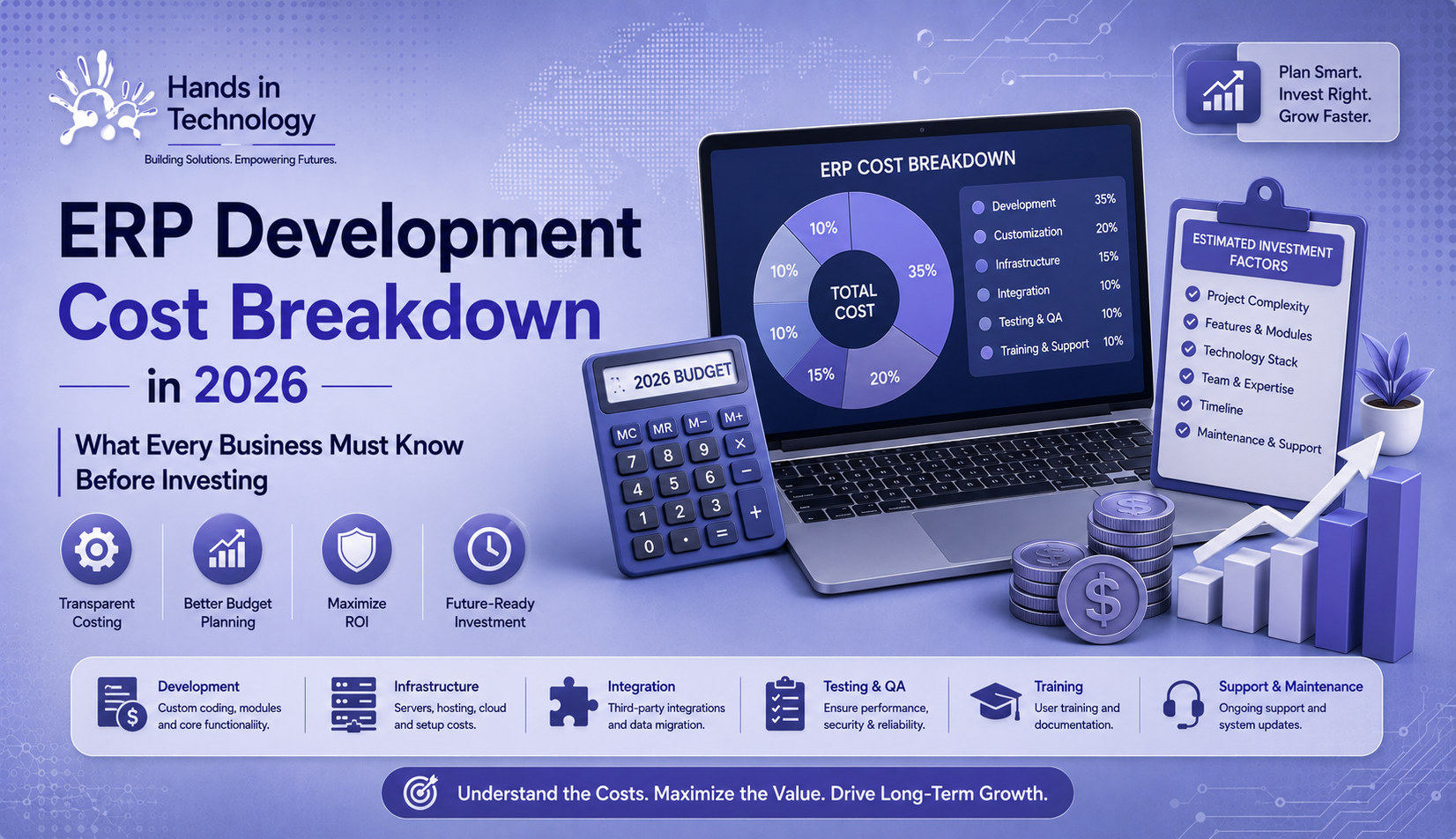
Estimating the cost of enterprise software without an actual cost structure poses a serious financial risk to any business. Today, the ERP Development Cost Breakdown in 2026 is far more than just technology costs as the technology itself could include numerous options along with the structure of the team, the layers of integration, as well as the obligations that follow after deployment. Without any defined structure, business tend to over spend and under build.
Introduction
Modern organizations can be best described as being built on top of their enterprise resource planning (ERP) systems. Whether the task at hand involves growing an organization or consolidating many disparate work streams, investing in an ERP is an expensive proposition. Knowing where to find the dollars behind the price of the contract can distinguish the forward-thinking decision makers from those who react.
1. What Determines ERP Development Cost?
ERP costs are not fixed. They vary based on scope, scale, and technical complexity.
Primary factors include:
- Company size and number of users.
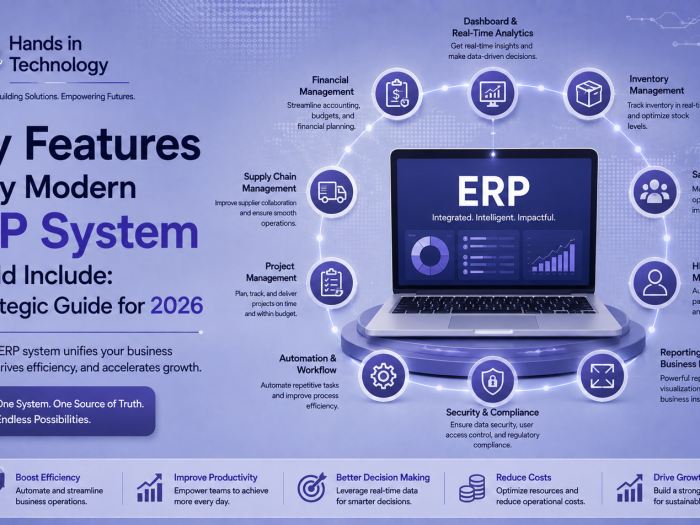
- Which modules (Finance, HR, CRM, Supply Chain) do you require?
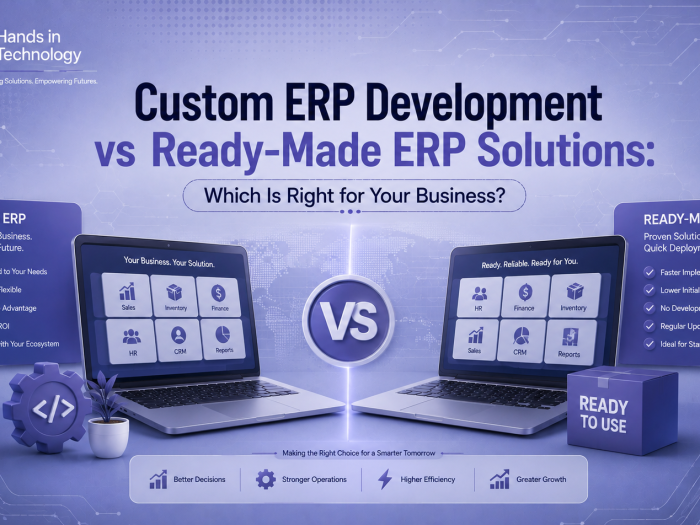
- Custom or off-the-shelf ERP?
- On-premise, cloud, or hybrid: Which hosting solution would you prefer?
- Integration requirements with existing tools
Larger enterprises with multi-department workflows will always face higher development investment than mid-size businesses.
2. ERP Cost Breakdown by Development Type
Custom ERP Development
Custom ERP built from the ground up to fit your specific business logic
- Price: $50,000 – $500,000+
- Timeframe: 6-18 months
- Suitable For: Enterprise level companies with very non-standard business process needs
Off-the-Shelf ERP (Licensed)
Pre-built platforms like SAP or Oracle offer faster deployment.
- Licensing Price: $1,500 – $10,000+/user/year
- Implementation Price: $20,000 – $150,000
- Best For: SMBs needing faster go-live
SaaS-Based ERP
SaaS ERP: Less of an upfront investment
- Monthly Price: $150 – $1,000+ per user
- Implementation: Less work than a custom build
- Who is this best for: Growing companies with generic business process
3. Key Cost Drivers in 2026
Module Count and Complexity
Each ERP module adds development effort. This combination of Finance, Procurement and Inventory massively increases the size of the deal.
Team Composition
Typical ERP development teams include:
- Project Manager
- Business Analyst
- Backend & Frontend Developers
- QA Engineers
- ERP Consultants
Hourly rates vary by region:
| Region | Avg. Developer Rate |
| North America | $100 – $200/hr |
| Eastern Europe | $40 – $80/hr |
| South Asia | $20 – $50/hr |
Technology Stack
Choosing the right stack impacts both cost and scalability. Microservices-based architectures cost more upfront but reduce long-term scaling expenses.
4. Hidden Costs Most Businesses Miss
ERP total cost of ownership extends well beyond development.
Frequently overlooked expenses:
- Data Migration: Transferring legacy data is time-intensive and error-prone
- Employee Training: [STAT PLACEHOLDER] organisations spend 10–15% of ERP budget on training
- Change Management: Internal resistance costs productivity
- Ongoing Maintenance: Expect 15–20% of development cost annually [INTERNAL LINK: ERP Maintenance Services]
- Third-Party Integrations: API development and licensing for tools like payment gateways or CRMs
These costs, when ignored during planning, cause budget overruns post-deployment.
5. How to Control ERP Budget Without Compromising Quality
Launch With a Discovery phase
This formal, structured phase defines precise requirements prior to any coding is undertaken; it stops scope creep, the main cause of ERP budget over runs.
Prioritise Core Modules First
Deploy critical modules initially. Add secondary functionality in phased releases. This approach:
- Reduces initial capital expenditure
- Delivers faster ROI
- Allows iterative testing and feedback
Evaluate Build vs. Buy Carefully
Not every business needs a fully custom ERP. Conduct a build vs. buy analysis aligned with your 3–5 year growth plan. [INTERNAL LINK: ERP Consultation Services]
Choose the Right Development Partner
The right technology partner brings domain expertise, transparent pricing, and a structured delivery framework. Vague proposals with no phased milestones are red flags.
Conclusion
ERP is a strategic investment, not just technology. In 2026, the ERP Development Cost Breakdown falls in a wide spectrum of $20,000 to $500,000+ for SaaS-based to enterprise level custom solutions. Complex modules, geographic location of the team, level of integration and commitment towards after-launch support also plays a vital role.
When it comes to investing in ERP, businesses that are well-planned, choose a phased implementation approach, and collaborate with the best-in-domain teams have always had higher returns. Hands in Technology provide enterprise-level ERP solutions with a transparent full cycle from discovery to deployment. If your organization is considering investing in an ERP system, Hands in Technology is what your organization needs.