With all the parts isolated, you end up wasting time and making costly errors. With a manual system, your growth in every department is hampered. Let this ERP Development Guide, Everything Businesses Need to Know help you come to a more convenient and less stressful decision.
Introduction
ERP systems consolidate business operations. Organizations face difficulty selecting custom or out-of-the-shelf solutions. This guide provides an introduction to ERP development and assists in decision making. Organizations learn the price and function of development, as well as the implementation procedure.
What Is ERP Development
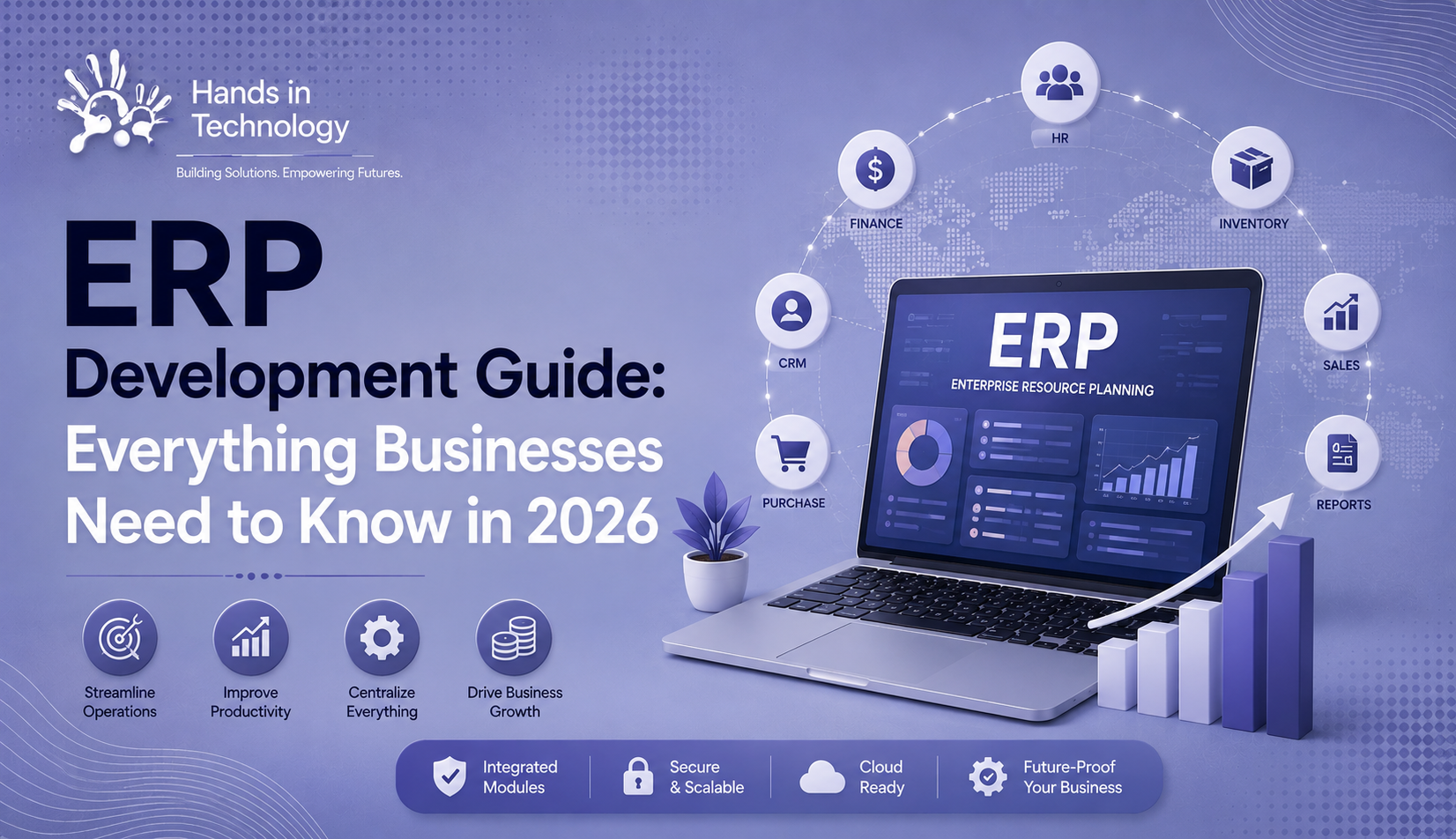
ERP development creates software that centralizes business operations. It connects finance, inventory, HR, and sales modules.
- Combines multiple business functions into one platform
- Provides real-time data across departments
- Reduces manual data entry and duplication
Why Businesses Need ERP Systems
Disconnected tools create inefficiencies and data silos. [STAT PLACEHOLDER] ERP systems improve visibility across operations.
Benefits of ERP Adoption
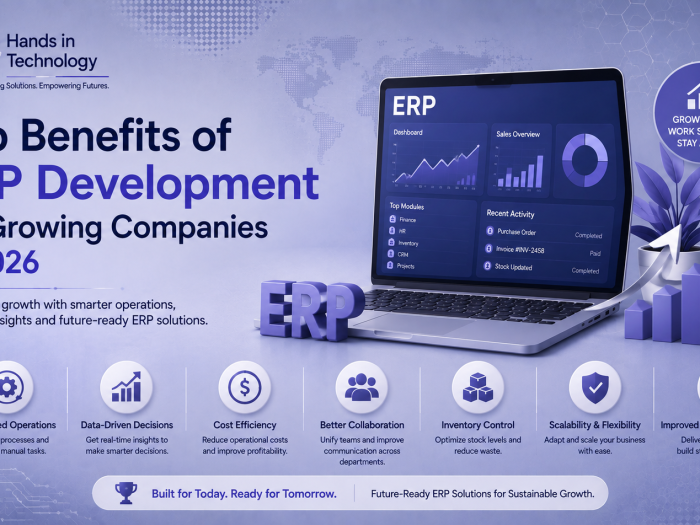
- Improved decision-making through centralized data
- Reduced operational costs over time
- Better compliance and reporting accuracy
Custom vs Off-the-Shelf ERP
Businesses must choose the right ERP approach.
- Off-the-shelf ERP – Faster deployment, limited customization
- Custom ERP development – Tailored features, higher initial investment
- Hybrid ERP solutions – Combines pre-built modules with custom additions
This enterprise software development company approach suits businesses with unique workflows.
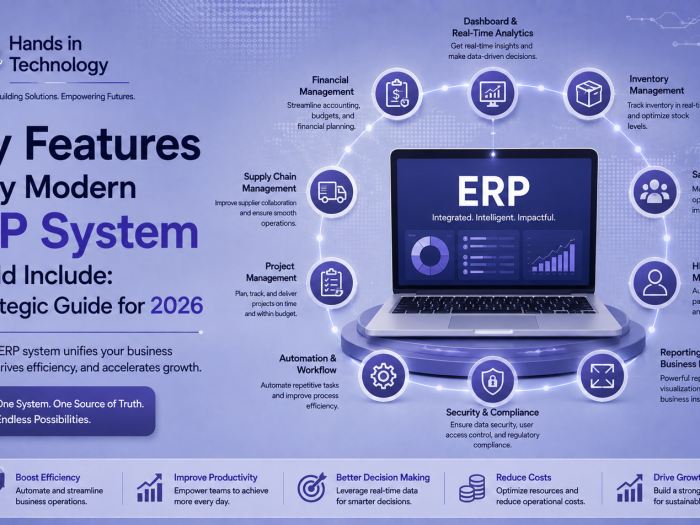
Key Features of Modern ERP System
Modern ERP platforms include essential capabilities.
- Cloud-based access for remote teams
- Automation for repetitive tasks
- Integration with third-party tools
- Advanced analytics and reporting dashboards
Why Features Matter
The right features streamline daily operations. Businesses save time and reduce errors significantly.
ERP Development Process Explained
Building an ERP system follows defined stages.
- Requirement analysis and planning
- System design and architecture
- Development and module integration
- Testing and quality assurance
- Deployment and staff training
Common Implementation Challenges
ERP projects face predictable obstacles.
- Resistance to change from employees
- Data migration complexities
- Integration issues with legacy systems
- Underestimating training requirements
Addressing these challenges early prevents project delays.
Conclusion
This ERP Development Guide: Everything Businesses Need to Know covers essential decision factors. ERP systems streamline operations and improve efficiency. Choosing the right approach depends on business size and goals. Companies ready to modernize operations should explore expert support now.